

Chapter 1: Introduction to Femininity in the Modern World
Femininity has rarely been understood on its own terms. Instead, it has often been translated, filtered, or simplified through systems that were not designed to hold its full complexity. Internally, women inherit narratives about what femininity should be—soft but not weak, strong but not threatening, nurturing but not consuming.
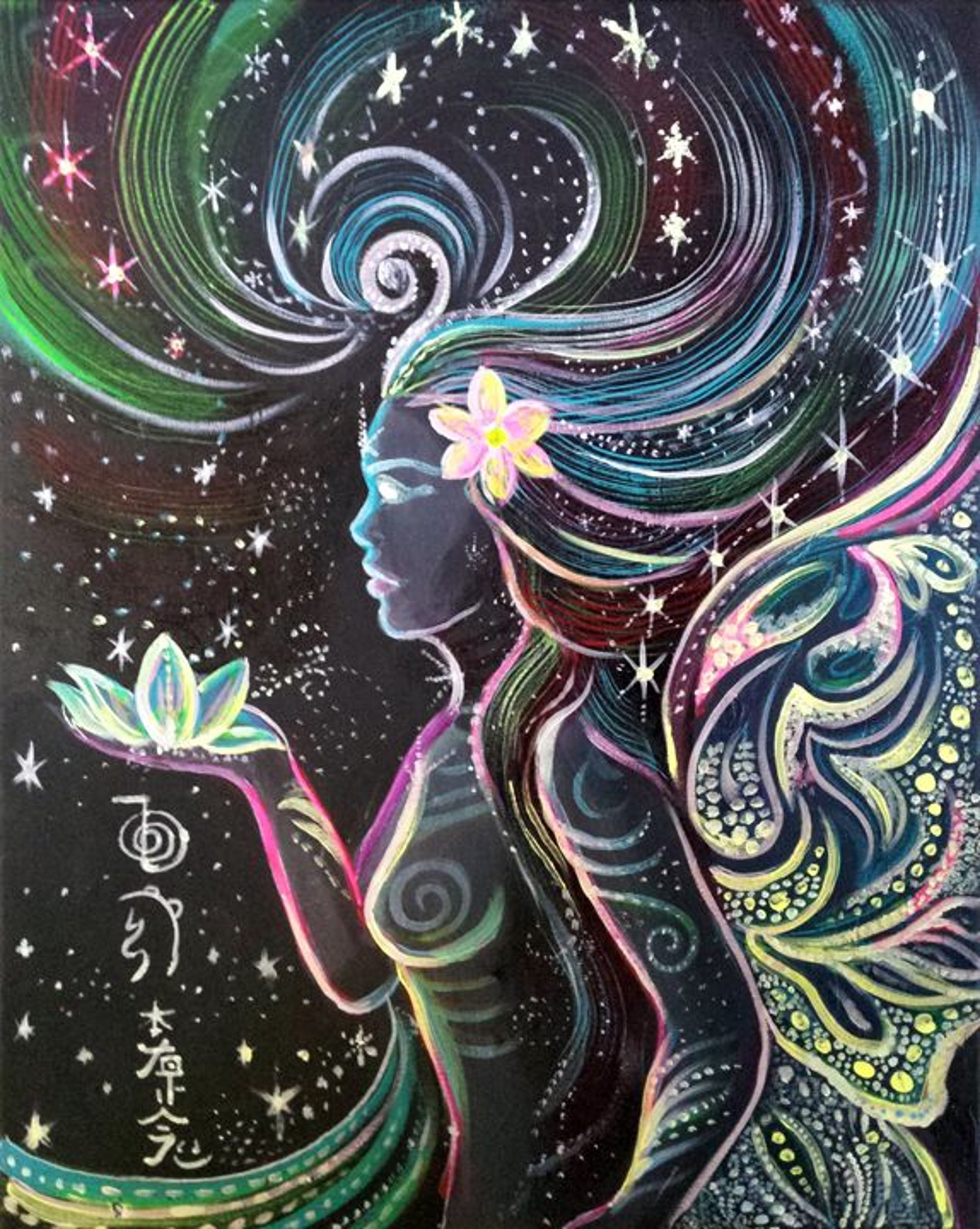


Chapter 1: Introduction to Femininity in the Modern World
Are Feminine misunderstood, misrepresented, or worse—misinterpreted through internal and external histories, including scientific ones?
Femininity has rarely been understood on its own terms. Instead, it has often been translated, filtered, or simplified through systems that were not designed to hold its full complexity. Internally, women inherit narratives about what femininity should be—soft but not weak, strong but not threatening, nurturing but not consuming. Externally, societies project expectations shaped by economics, power hierarchies, religion, and survival politics.
Historically, femininity has oscillated between reverence and restriction. In some eras, women were seen as vessels of intuition, fertility, and continuity; in others, those same qualities were reframed as liabilities—emotionality, irrationality, excess. What complicates this further is that science itself has not been neutral. Early psychological and biological studies often interpreted female behavior through male-centric baselines. Emotional responsiveness became “hormonal instability.” Cyclical biological rhythms were read as inconsistency rather than intelligence.
Even modern neuroscience, while more nuanced, sometimes risks reductionism—compressing lived emotional depth into neurotransmitter charts. Estrogen, oxytocin, cortisol: these chemical agents explain mechanisms, not meanings. The misunderstanding arises when chemistry is mistaken for character.
Thus, femininity is not merely misunderstood—it is often over-explained and under-felt. The error lies not in analysis itself, but in assuming analysis can replace lived experience.
Femininity through myth and mind—where representation and symbolism meet psyche and chemical reality
Myth is where the psyche speaks in images rather than data. Long before psychology named archetypes, myths were already mapping the emotional, intuitive, destructive, and regenerative aspects of the feminine mind.
Consider how myths portray women as creators and destroyers, healers and chaos-bearers. These are not moral judgments; they are psychological truths in symbolic form. When modern psychology discusses mood variability, intuition, or emotional depth, it is often describing—through clinical language—what myth once expressed poetically.
For example, the figure of Kali is frequently misunderstood as violent or terrifying. Psychologically, she represents the destruction of illusion, the death of false identity. Chemically, moments of intense emotional release—rage, grief, catharsis—are associated with surges of adrenaline, cortisol, and dopamine. Myth and neuroscience are describing the same internal event from different languages.
Similarly, Aphrodite is not merely sexuality personified; she symbolizes attraction, bonding, and creative desire—experiences now linked with oxytocin and dopamine pathways. Myth externalizes what chemistry internalizes.
Yet it is crucial to remember: myths were created by humans—women and men alike. They are not final truths but mirrors. Their meanings are infinite because the human psyche is infinite. Every generation re-reads myth according to its emotional literacy and cultural wounds.
Myths as beacons, not identities—challenging and channeling the true self
A critical distinction must be made: we are not the myths. To confuse oneself with a symbol is to shrink into it. Myths are not prescriptions; they are invitations.
When a woman sees herself reflected in a mythic figure—warrior, mother, mystic, lover—it is not a call to perform that role endlessly, but to recognize a capacity within herself. Myths help articulate inner forces that language often fails to capture. They allow us to ask: Where am I suppressing my fire? Where am I over-identified with sacrifice? Where am I afraid of my own depth?
In the modern world, where femininity is asked to be efficient, palatable, and productive, myth becomes a quiet rebellion. It reminds us that contradiction is not failure—it is nature. The moon waxes and wanes; the ocean advances and retreats. Femininity, too, is rhythmic rather than linear.
To channel myth wisely is to use it as a compass, not a cage. It helps challenge inherited limitations—both societal and self-imposed—while allowing femininity to evolve beyond outdated symbolism. Myths do not demand imitation; they encourage integration.
In this way, femininity becomes not an identity to defend, but a living process—one that blends history, chemistry, psyche, and imagination into something continuously unfolding.