
Creating a Soft Morning Ritual That Actually Feels Good
Mornings are often treated like a test of discipline. Wake up early. Do everything right. Follow a checklist. Be productive before the world wakes. But for many people, this pressure turns mornings into a source of stress rather than grounding.



Creating a Soft Morning Ritual That Actually Feels Good
Mornings are often treated like a test of discipline. Wake up early. Do everything right. Follow a checklist. Be productive before the world wakes. But for many people, this pressure turns mornings into a source of stress rather than grounding.
A soft morning ritual is not about aesthetics or optimization. It is about meeting yourself where you are—physically, emotionally, and mentally—and allowing the day to begin without force.
Waking Up on Time Without Stressing Yourself
Waking up “on time” does not have to mean waking up abruptly or aggressively. Research on sleep cycles shows that waking during lighter sleep phases reduces grogginess and stress. This is why gentle alarms, gradual light, or consistent sleep schedules matter more than early hours.
A soft approach includes:
setting realistic wake-up times,
allowing a few minutes of stillness,
avoiding immediate comparison with others’ routines.
Consistency matters more than perfection. A calm wake-up sets the nervous system’s tone for the rest of the day.
Taking Time With Each Moment
One of the most overlooked aspects of morning routines is presence. The brain takes time to transition from rest to alertness. Rushing this process can trigger cortisol spikes, increasing anxiety and irritability.
Simple acts done slowly—stretching, washing your face, sipping water, opening a window—help the body regulate itself. Studies in mindfulness show that slow, intentional actions improve emotional regulation and focus throughout the day.
You are not behind just because you are moving gently.
No Stacking or Racking Up Tasks
Modern routines often emphasize stacking habits: journaling, meditation, workouts, affirmations, cold showers—all before breakfast. While these can be helpful, forcing too many practices can overwhelm the brain early in the day.
Cognitive load theory suggests that too many decisions and tasks increase mental fatigue. A soft ritual removes the pressure to “do it all” and focuses on one or two grounding actions.
Some mornings need movement. Others need silence. Flexibility is not failure—it is intelligence.
Embracing Small Things Is Often Enough
There is a quiet power in small rituals:
drinking warm water slowly,
sitting in sunlight for five minutes,
noticing your breath,
making your bed mindfully.
These moments regulate the nervous system and create emotional safety. Neuroscience shows that small, consistent calming practices help reduce stress hormones and improve long-term well-being.
You do not need grand gestures to feel grounded. Repetition of small care builds trust with yourself.
Letting Go of Aesthetic Pressure
Social media has turned morning routines into performances—perfect lighting, curated spaces, flawless discipline. But routines are meant to support life, not impress it.
A meaningful routine:
adapts to your energy,
respects your limitations,
evolves with your circumstances.
Your morning does not need to look beautiful to feel good. Comparing your needs to someone else’s highlight reel only disconnects you from your own rhythm.
Accepting Your Needs and Abilities
Psychological research on self-compassion shows that people who accept their limits are more consistent and resilient than those who push through guilt.
Acceptance does not mean settling. It means:
recognizing your capacity today,
choosing care over self-criticism,
designing rituals that support rather than exhaust you.
When a routine aligns with your needs, it begins to feel natural—almost unearthly in its ease.
Examples of Soft Morning Rituals
A student waking up, stretching for two minutes, and sitting quietly before checking their phone
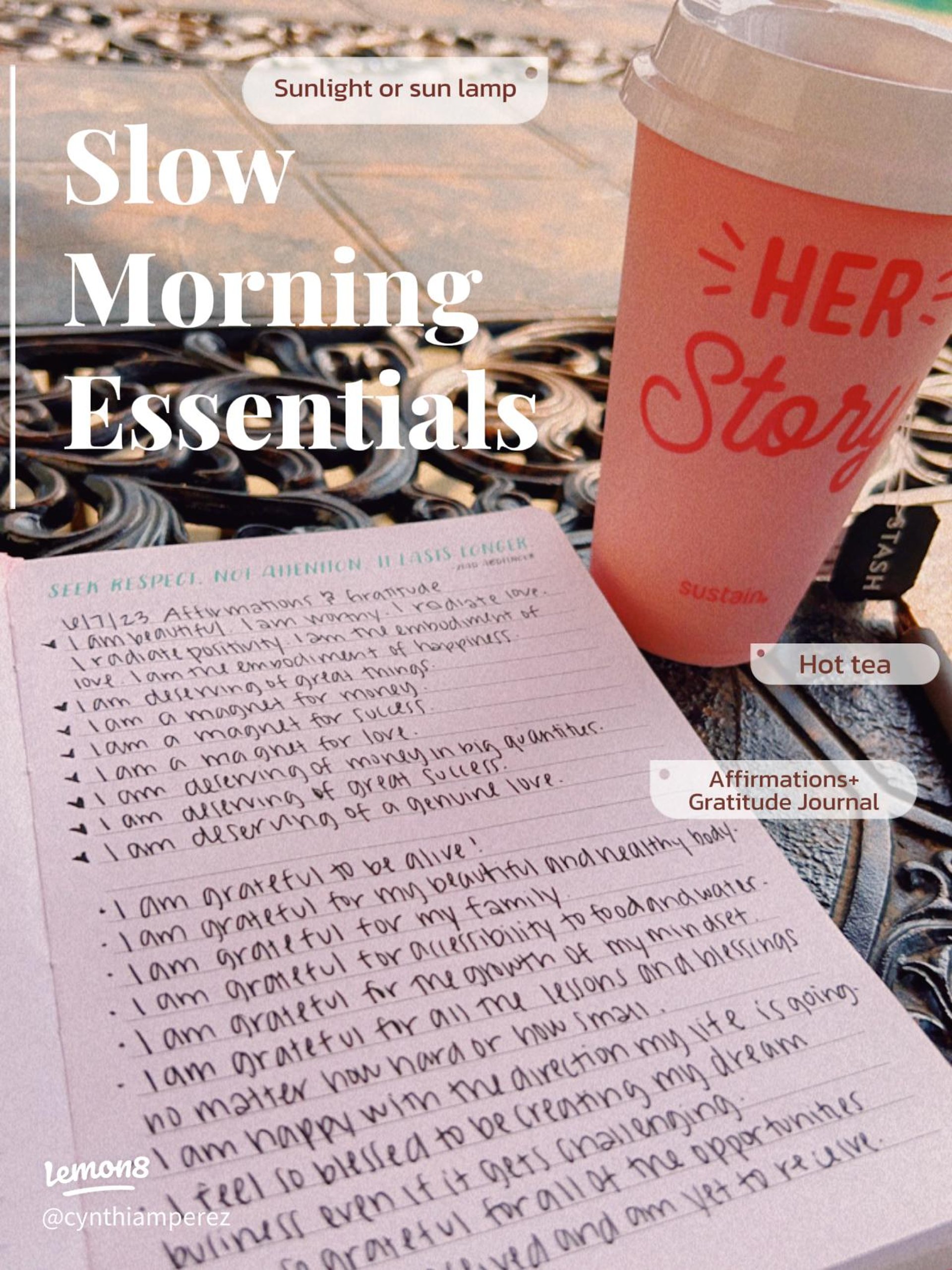
A working professional sipping tea by the window instead of rushing through emails
A creative spending five minutes journaling freely, without structure
Someone choosing rest over exercise on low-energy days without guilt
Each of these routines works because they honor the person practicing them.
A Morning That Belongs to You
A soft morning ritual is not about discipline—it is about listening. When you stop forcing yourself into ideal routines and start responding to your real needs, mornings transform from obligation into refuge.
You do not need the best routine.
You need your routine.
And sometimes, the smallest moments are more than enough to begin the day feeling whole.