
Emotional Fatigue in Men: When “Not Enough” Becomes a Constant Feeling
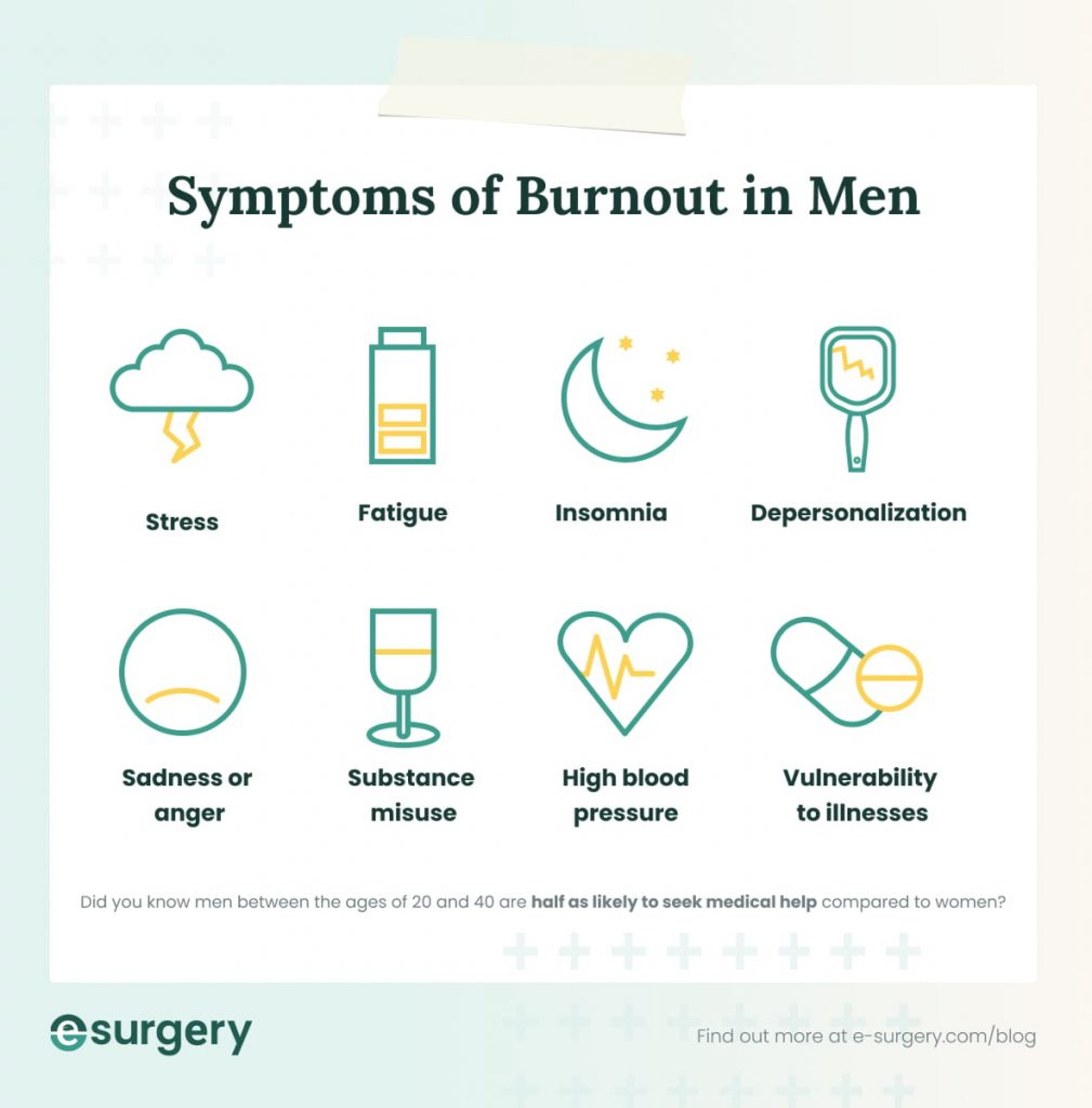
Emotional fatigue in men often doesn’t look like exhaustion in the conventional sense. It doesn’t always show up as tears, visible overwhelm, or verbal confession. More often, it appears quietly—through a persistent feeling of not being good enough, a sense that efforts go unnoticed, or a growing belief that appreciation is conditional rather than genuine. This fatigue accumulates slowly, shaped by internal pressure, relational dynamics, and long-standing emotional suppression.
Emotional Fatigue in Men: When “Not Enough” Becomes a Constant Feeling
Emotional fatigue in men often doesn’t look like exhaustion in the conventional sense. It doesn’t always show up as tears, visible overwhelm, or verbal confession. More often, it appears quietly—through a persistent feeling of not being good enough, a sense that efforts go unnoticed, or a growing belief that appreciation is conditional rather than genuine. This fatigue accumulates slowly, shaped by internal pressure, relational dynamics, and long-standing emotional suppression.
The Weight of Silent Expectations
Many men grow up internalizing the idea that their worth is tied to usefulness—what they provide, fix, or endure. Emotional value is rarely emphasized. As a result, appreciation becomes something they look for indirectly: through respect, acknowledgment, loyalty, or reassurance that their presence matters beyond function.
When that appreciation feels absent or inconsistent, it doesn’t always register as sadness. It registers as self-doubt.
“Maybe I’m not doing enough.”
“If I were better, this wouldn’t be happening.”
“I’m replaceable.”
Over time, these thoughts become emotionally draining, especially when they are never spoken aloud.
Emotional Fatigue vs. Emotional Expression
Emotional fatigue is not about having too many emotions—it’s about having no safe outlet for them. Studies in psychology consistently show that emotional suppression increases physiological stress responses. When emotions are not expressed or processed, cortisol levels remain elevated, contributing to irritability, sleep disturbances, and emotional numbness.
For men, this often translates into:
Low emotional energy
Reduced motivation in relationships
Difficulty feeling joy even when things are “fine”
A sense of being emotionally unseen
This fatigue is compounded when men feel they must stay strong even while feeling depleted.
Feeling Unappreciated: A Core Trigger
One of the most common sources of emotional fatigue in men is perceived lack of appreciation—especially in close relationships. Appreciation, for many men, is not just verbal praise. It is feeling:
Needed but not used
Valued but not controlled
Seen without being evaluated
When efforts are met with criticism, indifference, or shifting expectations, men may internalize the belief that love or acceptance is performance-based. This creates chronic emotional strain—constantly trying to measure up, constantly feeling slightly behind.
The “Not Good Enough” Loop
Over time, emotional fatigue feeds a self-reinforcing loop:
A man feels unappreciated or emotionally overlooked
He questions his adequacy
He tries harder or withdraws to avoid failure
His emotional needs remain unmet
Fatigue deepens
Because many men are conditioned to avoid asking for reassurance or emotional validation, this loop continues unchecked. The absence of feedback becomes confirmation of inadequacy—even when it isn’t.
Why It Rarely Gets Named
Men are less likely to label what they feel as emotional fatigue. Instead, it comes out as:
“I’m just tired.”
“I don’t care anymore.”
“It’s fine, whatever.”
This emotional minimization is not dishonesty—it’s habit. Without emotional vocabulary or permission, fatigue gets buried under logic, distraction, or silence.
Research on male mental health consistently shows that men are more likely to externalize distress (through withdrawal, anger, or detachment) rather than internalize it verbally. This makes emotional fatigue harder to detect—not only for others, but for men themselves.
Relationships as Emotional Mirrors
In relationships, emotional fatigue can distort perception. Neutral behavior may feel like rejection. Small conflicts may feel like proof of failure. A lack of explicit appreciation can feel like emotional abandonment.
This doesn’t mean the other person is intentionally neglectful—but it does mean the man’s emotional reserves are already low. When appreciation is not clearly expressed, fatigue interprets ambiguity as disapproval.
The Long-Term Cost of Unaddressed Fatigue
If emotional fatigue remains unacknowledged, it can lead to:
Emotional shutdown
Avoidance of intimacy
Resentment without articulation
Sudden disengagement from relationships
Burnout that looks like indifference
In extreme cases, it can contribute to depression masked as apathy or irritability—conditions that often go undiagnosed in men because they don’t fit stereotypical expressions of sadness.
What Emotional Relief Actually Looks Like
Emotional recovery for men does not begin with “opening up” dramatically. It begins with small permissions:
Permission to feel without justifying
Permission to need reassurance
Permission to be appreciated without earning it
Permission to rest emotionally, not just physically
Feeling good enough is not built through perfection—it’s built through being seen, acknowledged, and emotionally met.
Closing Thought
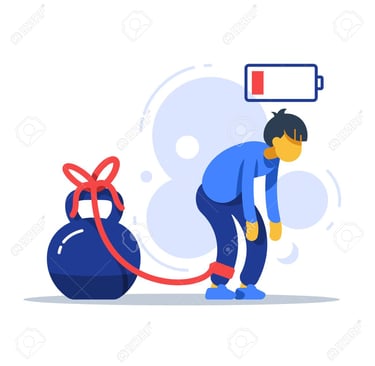
Emotional fatigue in men is not weakness, laziness, or oversensitivity. It is the cost of carrying emotional weight without recognition. When appreciation is missing, even strength begins to feel hollow.
Sometimes, the deepest exhaustion comes not from doing too little—but from doing everything while feeling unseen.