
Love Language vs. Trauma Response: When Care Looks Similar but Comes From Different Places
The way human beings express love is most commonly understood through love languages—the conscious and intentional modes through which affection, care, and emotional presence are communicated. Love languages are learned expressions: they are how we say I see you, I choose you, I value you.


Love Language vs. Trauma Response: When Care Looks Similar but Comes From Different Places
The way human beings express love is most commonly understood through love languages—the conscious and intentional modes through which affection, care, and emotional presence are communicated. Love languages are learned expressions: they are how we say I see you, I choose you, I value you. They translate feeling into action, making love visible and tangible rather than abstract.
For many people, these expressions vary. One person may feel most loved through physical touch, another through quality time, acts of service, words of affirmation, or gifts. These variations are natural, fluid, and often shaped by upbringing, culture, and personal preference. A person may even shift between love languages over time, depending on circumstances, maturity, and emotional safety.
Trauma response, however, originates from an entirely different place. It is not a chosen expression but a neurobiological reaction—the body’s automatic response to stress, threat, or emotional triggering. Trauma responses emerge when the nervous system perceives danger, whether that danger is real, remembered, or anticipated. Unlike love language, trauma response is not about expression; it is about survival.
Just as love languages differ, trauma responses also look different for everyone. Some people freeze, some people flee, some people fight, and others fawn—becoming overly accommodating or emotionally hyper-available. These responses are shaped by lived experiences, not by intent. They are not personality traits; they are adaptive strategies developed to cope with pain.
The complexity deepens because trauma responses can sometimes look completely normal—even socially acceptable. Overworking can look like ambition. Emotional distance can look like independence. Excessive caretaking can look like devotion. In many cases, trauma blends seamlessly into everyday behavior, making it difficult to recognize where survival ends and expression begins.
This is where confusion often arises. Trauma responses are frequently misinterpreted as love languages—both by the person experiencing trauma and by those sharing space with them. Someone who constantly seeks reassurance may be labeled “affectionate,” while they are actually regulating fear. Someone who avoids conflict may appear “easygoing,” while internally bracing for abandonment. Without awareness, trauma responses can masquerade as love—and love can be mistaken for trauma.
Modern culture complicates this further by creating a whimsical, cinematic idea of love. Love has been commercialized, aestheticized, and scripted. People are taught that love should look intense, passionate, consuming, dramatic—because that is what stories, films, and social media reinforce. When someone’s trauma response fits this narrative, it can feel like destiny rather than dysregulation, creating the illusion of “finding the one” based on heightened emotional reactions rather than grounded connection.
Building relationships on such imagined frameworks can be deeply stressful. Trying to live up to a fantasy version of love—while unconsciously navigating trauma—creates emotional exhaustion. The pressure to perform love correctly, to feel intensely all the time, or to match an idealized template often leads to confusion, burnout, and disappointment.
Understanding the difference between love language and trauma response requires observation, not judgment. Love language tends to feel expansive, consistent, and grounding. Trauma response often feels urgent, reactive, and fear-driven. Love grows in safety; trauma activates in perceived threat. One invites presence; the other demands protection.
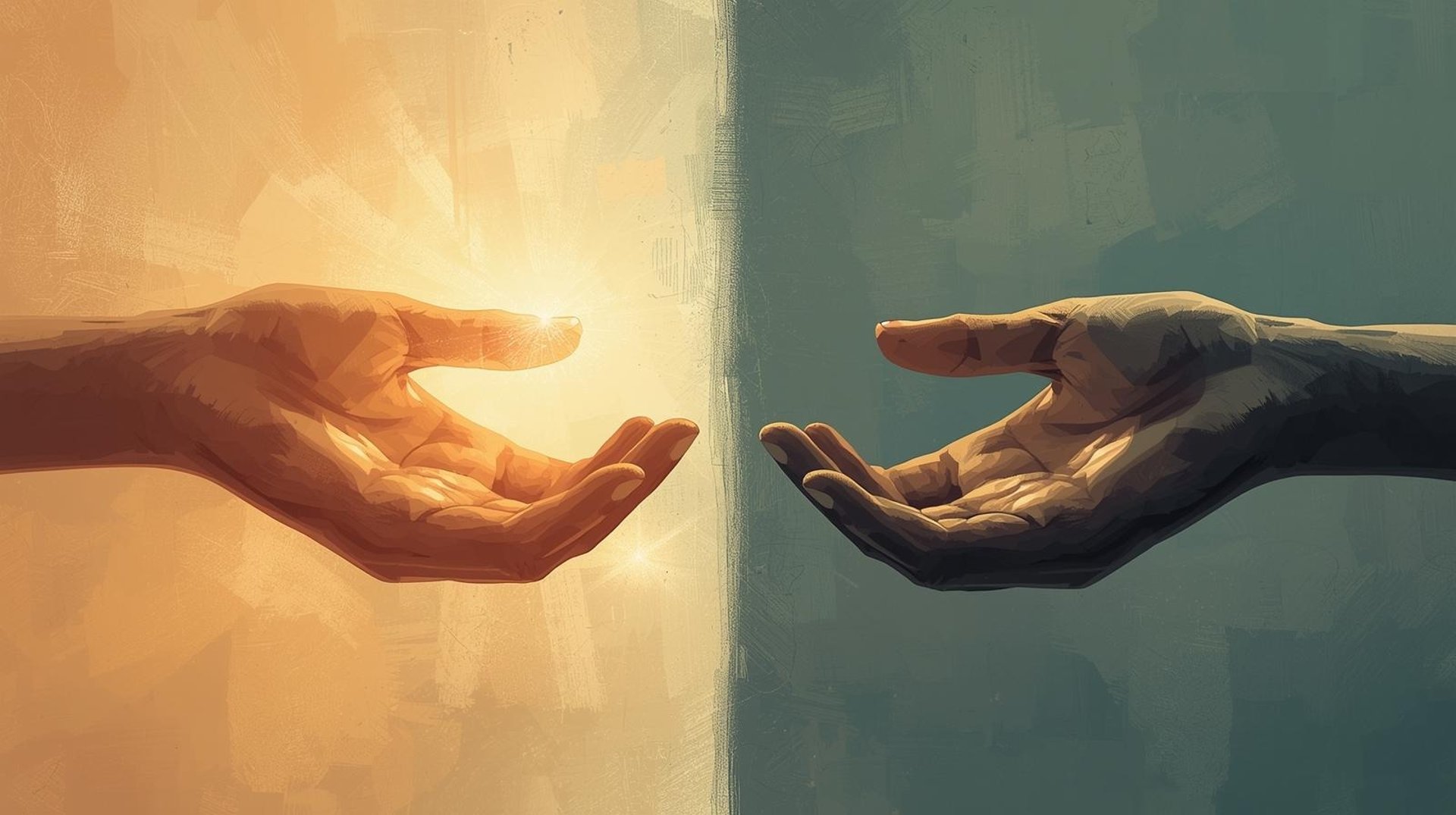
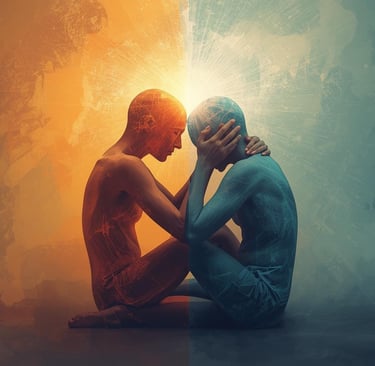
Yet, at their core, both are rooted in the same fundamental impulse: care. Trauma responses are attempts to love and protect the self—often the wounded self that once lacked safety. Love languages, on the other hand, are attempts to love and care for another—often the person who helped make love feel possible or safe again. The direction of love differs, but the source is deeply human.
In this sense, both love language and trauma response are fighters—just armed differently. Love language fights for connection through softness, consistency, and intention. Trauma response fights for survival through vigilance, control, or withdrawal. They aim for the same outcome—safety, belonging, and care—but travel different paths to get there.
Recognizing this distinction does not diminish love, nor does it pathologize trauma. Instead, it creates clarity. And clarity is what allows love to remain love—rather than becoming a battlefield where survival strategies are mistaken for affection.
Understanding this difference is not about choosing one over the other; it is about knowing when healing is needed, and when love is simply being spoken in its truest language.