

What is actually happening in your body?
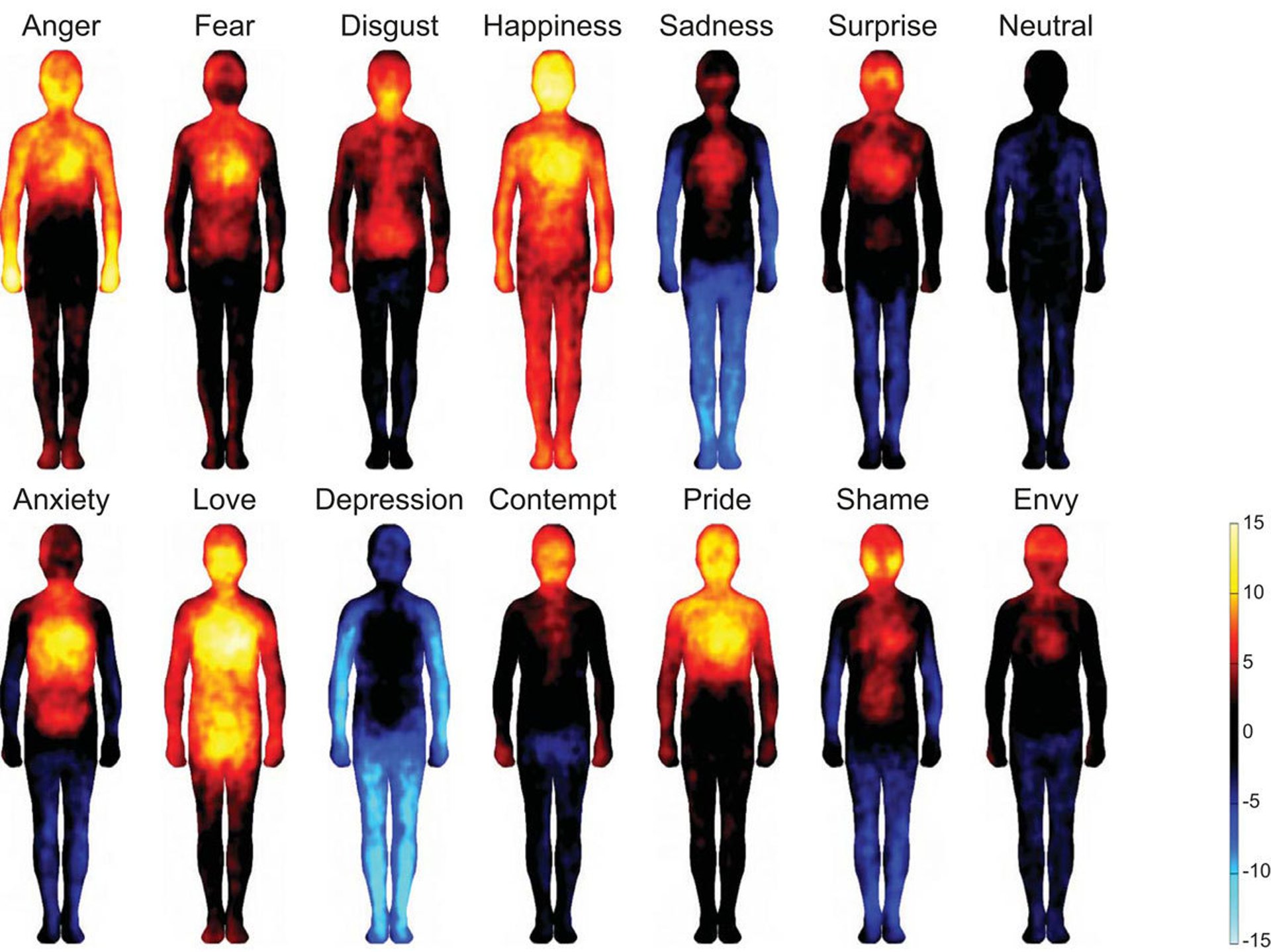
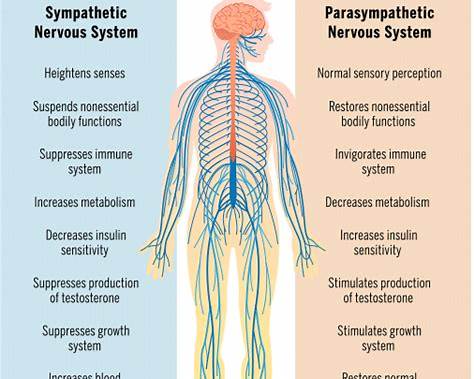
When someone is emotionally overwhelmed—crying, shouting, saying hurtful things, or breaking down—the body is not just expressing emotion, it is mobilizing energy. This heating, stinging, flushing, or inner agitation usually means the sympathetic nervous system has taken over. That’s the system responsible for survival responses.
What is actually happening in the body?
When someone is emotionally overwhelmed—crying, shouting, saying hurtful things, or breaking down—the body is not just expressing emotion, it is mobilizing energy.
This heating, stinging, flushing, or inner agitation usually means the sympathetic nervous system has taken over. That’s the system responsible for survival responses.
When it activates:
Heart rate increases
Blood rushes to muscles and skin
Core temperature rises
Sensations like heat, tingling, pressure, or burning appear
This is the body saying: “Something is threatening my internal balance.”
Is it fear, anger, or something else?
Most often, it is not one single emotion. It’s a compound state.
Here’s how it usually breaks down:
1. Primary layer: Fear
Even if the words sound aggressive or sharp, underneath there is usually fear:
Fear of being misunderstood
Fear of abandonment
Fear of losing control
Fear of not being heard
Fear activates the body first. It’s the spark.
2. Secondary layer: Anger
Anger often arrives after fear, not before.
Anger gives power
Anger creates heat
Anger allows expression when fear feels too vulnerable
So when the person speaks, the heat rises—not because speech causes heat, but because expression releases stored activation.
If they don’t speak, the heat stays trapped.
If they do speak, it moves outward.
3. Underlying factor: Overload
This state is also strongly linked to:
Emotional suppression over time
Unprocessed grief or resentment
Long-standing stress
The body has been holding too much for too long. Speech becomes a pressure valve.
Why does the body heat up only when they speak?
Because speaking in that moment is not communication—it’s discharge.
The body has already activated survival mode.
Words simply give that activation a pathway out.
That’s why:
Silence feels unbearable
Holding back feels physically painful
Expression feels urgent, even reckless
The nervous system is trying to complete a stress cycle.
Is this dangerous or “wrong”?
No. But it can become harmful if:
The pattern repeats without regulation
The person later feels shame or confusion
The listener absorbs the emotional spillover
This is not manipulation.
This is dysregulation.
The most accurate name for this state
If we had to name it precisely, it would be:
Threat-based emotional discharge
It’s the body reacting first, the mind scrambling to keep up, and language arriving last.
One important grounding truth
This reaction does not define the person’s character.
It defines the state of their nervous system in that moment.
Once the body cools down, the meaning of what was said often feels:
Excessive
Misaligned
Regrettable
That’s because the body was speaking louder than the self.