Why Humans Fear What Is Real
The Paradox of Wanting Truth—but Fleeing When It Arrives There is a quiet contradiction embedded deep in human behavior. We say we want real love, real people, real conversations, and real connections. We criticize shallowness, performative emotions, and artificial bonds. Yet, when something genuinely real presents itself—a relationship, a collaboration, an idea, or even a moment of deep clarity—many of us recoil. We spiral. We sabotage. Sometimes subtly, sometimes destructively.
Why Humans Fear What Is Real
The Paradox of Wanting Truth—but Fleeing When It Arrives
There is a quiet contradiction embedded deep in human behavior. We say we want real love, real people, real conversations, and real connections. We criticize shallowness, performative emotions, and artificial bonds. Yet, when something genuinely real presents itself—a relationship, a collaboration, an idea, or even a moment of deep clarity—many of us recoil. We spiral. We sabotage. Sometimes subtly, sometimes destructively.
This is not hypocrisy. It is psychology, biology, and emotional conditioning colliding at once.
The Seduction of “Real” vs. the Threat of Reality
The idea of realness feels safe in abstraction. In theory, authenticity sounds liberating. But reality is not just warmth and depth—it is exposure. When something is real, it does not merely offer connection; it demands participation, accountability, and transformation.
Fake or shallow situations allow us to remain curated. They offer control. Real situations do the opposite—they activate parts of us we have never rehearsed.
And the human nervous system does not fear love or truth in itself. It fears what truth will uncover.
Why the Body Reacts Before the Mind
One of the most misunderstood aspects of self-sabotage is that it often begins in the body, not the mind.
Neuroscience shows that when we encounter emotional intimacy, high-stakes opportunity, or genuine attachment, the brain may interpret it as a threat—not because it is harmful, but because it is unknown. The amygdala, the brain’s fear center, cannot distinguish between emotional danger and physical danger very well. To it, unfamiliar intensity equals risk.
This is why people report:
Sudden anxiety when things are going well
A desire to withdraw, numb, or escape
Impulses toward self-harm or reckless behavior
Overthinking that creates conflict where none existed
Studies on attachment theory reveal that individuals with insecure or disorganized attachment styles experience heightened stress responses when faced with closeness or stability. Their nervous system has learned that consistency is unsafe—not because it truly is, but because it once preceded loss, abandonment, or pain.
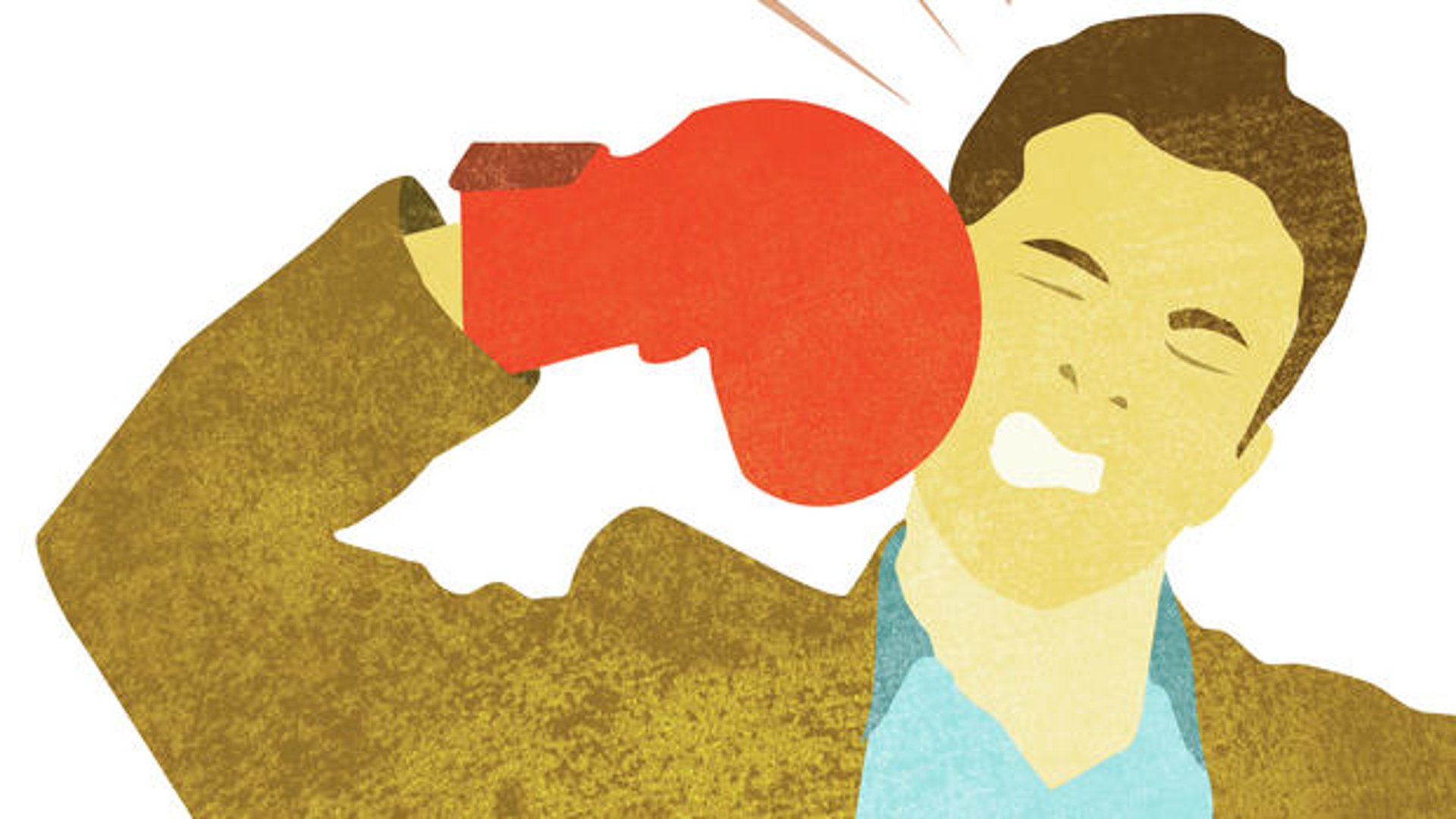
Self-Sabotage Rarely Looks Like Destruction at First
Popular culture portrays self-sabotage as dramatic—explosions, breakdowns, impulsive exits. In reality, it is often quiet and socially acceptable.
It looks like:
Procrastinating on an opportunity that matters
Picking unnecessary fights in healthy relationships
Losing interest precisely when things stabilize
Questioning your worth after someone affirms it
Creating distance under the guise of “needing space”
Psychologically, this is called protective devaluation—a defense mechanism where the mind reduces the value of something meaningful to avoid the pain of losing it or being seen within it.
Why Realness Feels More Dangerous Than Fakeness
Fake situations are predictable. They operate within familiar emotional scripts. Even if they hurt, they hurt in ways we already know how to survive.
Real situations do something far more unsettling:
They illuminate.
When something real enters our life, it shines light on:
Unhealed wounds
False self-images
Avoidance patterns
Emotional immaturity
Internal contradictions
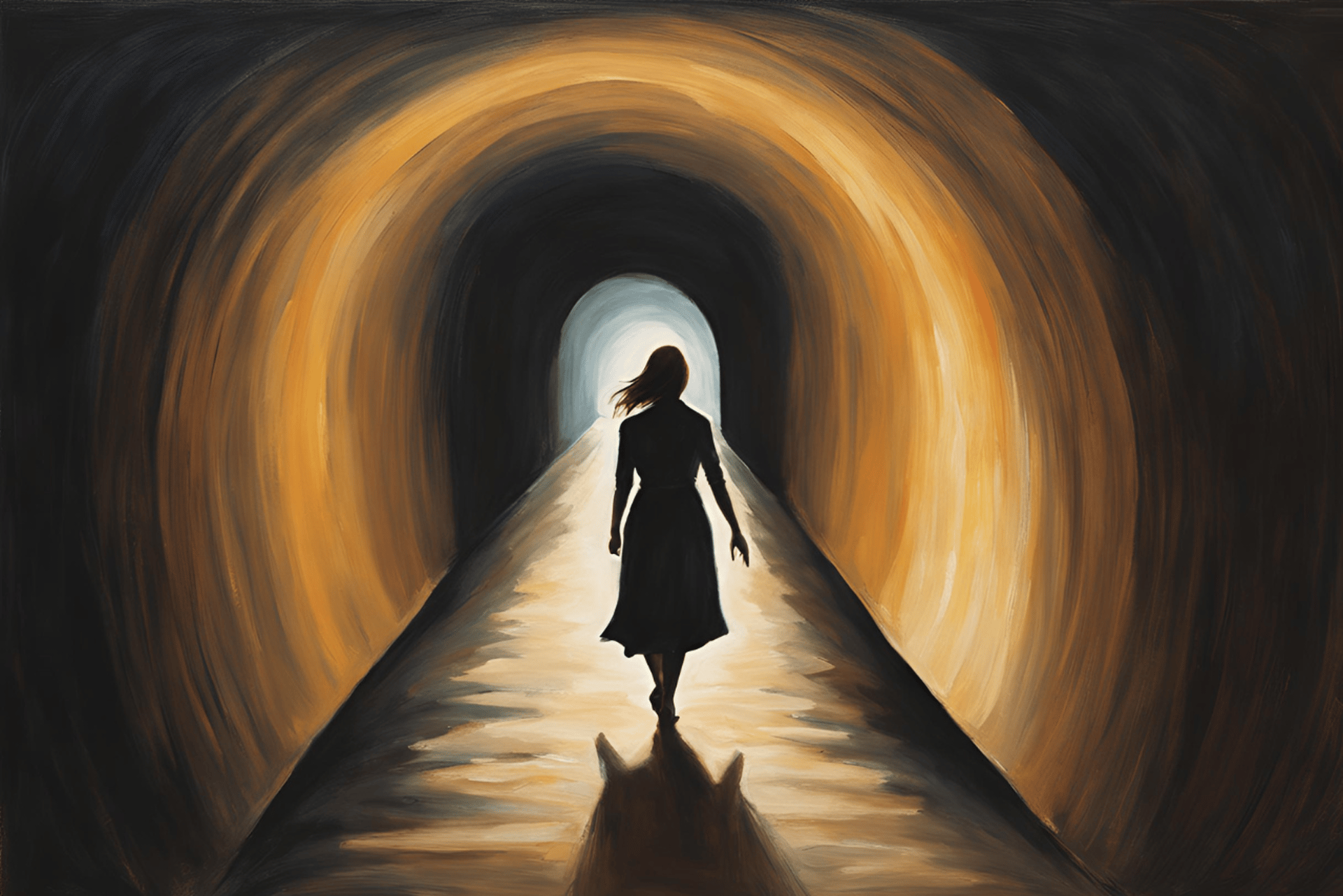
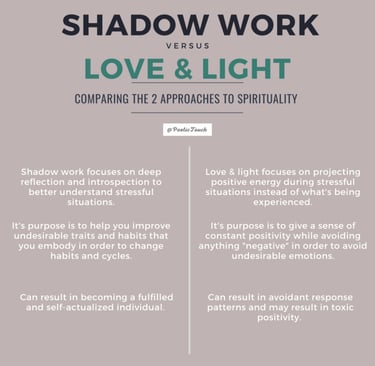
In shallow connections, shadows can hide. In real ones, shadows become visible—and visibility demands responsibility.
Psychological research supports this. Authentic interpersonal experiences increase self-awareness, which often brings discomfort before growth. The brain, wired to minimize pain rather than maximize truth, may react by trying to shut the experience down altogether.
The Fear Is Not of Losing—It Is of Becoming
A common assumption is that people sabotage real things because they fear loss. But often, the deeper fear is change.
Real love changes how you see yourself.
Real collaboration exposes your limitations and strengths.
Real ideas ask you to live differently, not just think differently.
There is grief in becoming someone new. There is mourning for the old defenses, the old masks, the old narratives. Not everyone is ready to grieve who they were—even if who they are becoming is healthier.
Why Great Things Fall Apart at the Moment They Matter Most
History—personal and collective—is full of near-misses. Partnerships that collapsed just before flourishing. Relationships that ended right as vulnerability arrived. Ideas abandoned at the edge of execution.
Psychologists call this approach-avoidance conflict: the same thing that attracts us also terrifies us. The closer we get, the stronger both forces become—until avoidance wins.
This is why people often say, “I don’t know why I did that” after sabotaging something meaningful. The decision was not logical; it was somatic, driven by a nervous system trying to return to emotional familiarity.
Healing Is Not About Forcing Fear Away
The solution is not to shame ourselves for fear or to “push through” it violently. That often deepens the trauma loop.
Healing begins when we:
Recognize self-sabotage as protection, not failure
Learn to regulate the nervous system before demanding courage
Sit with discomfort long enough for it to soften
Allow realness to unfold slowly, safely, and consciously
Research in trauma-informed therapy shows that gradual exposure to authenticity—paired with emotional regulation—reduces fear responses over time. The body learns that real does not mean dangerous.
Final Thought: Realness Is a Mirror, Not a Monster
Humans do not fear reality because it is cruel. We fear it because it is honest.
Real things do not attack us. They reveal us. And revelation can feel unbearable when we have spent years surviving by hiding—even from ourselves.
Yet, every time we choose not to sabotage, not to flee, not to numb, we expand our capacity to hold truth. Slowly, what once felt terrifying begins to feel grounding.
And one day, real no longer feels like a threat.
It feels like home.