

Why People Feel Guilty for Healing
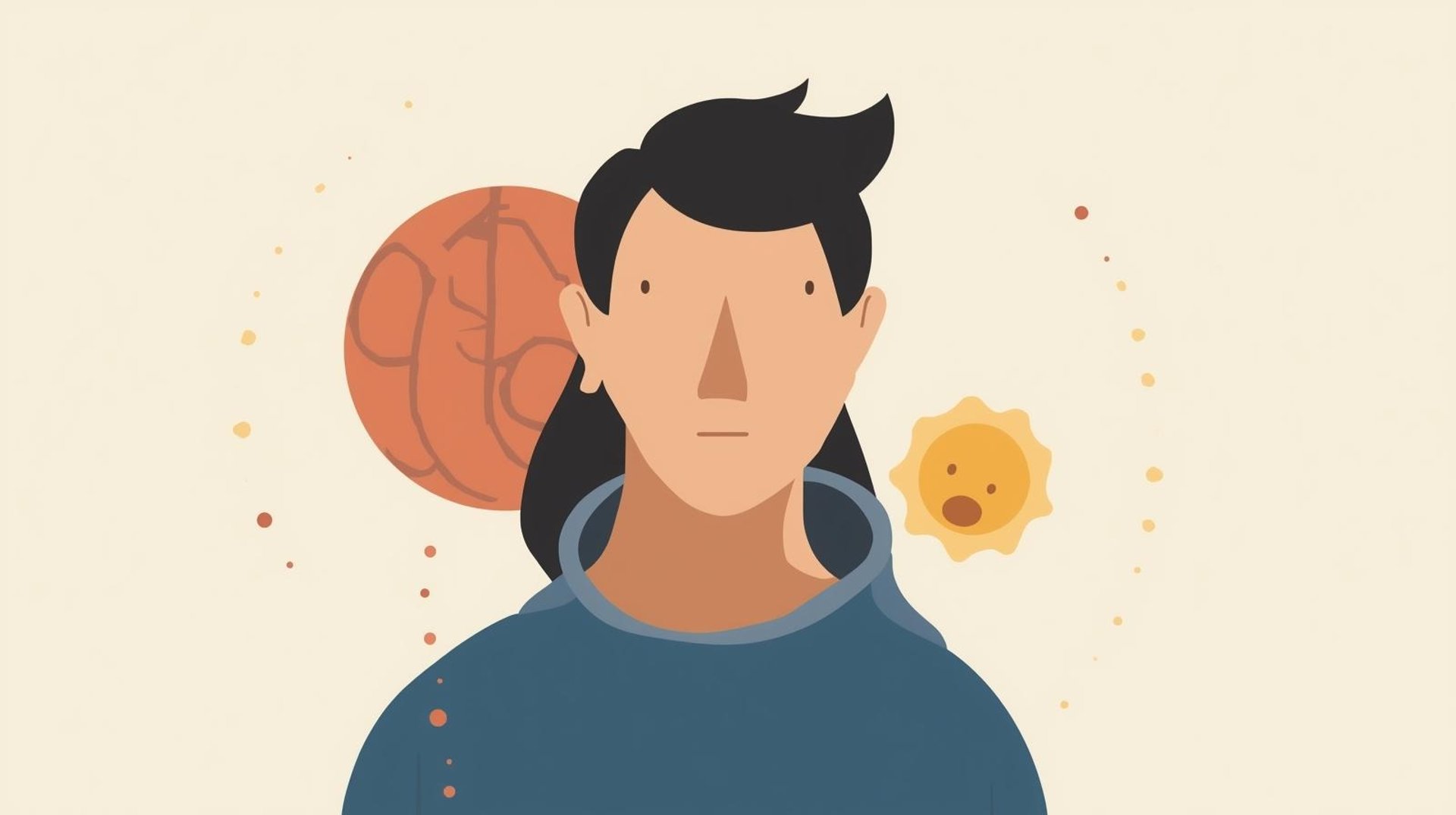
Healing is often spoken about as a victory—but lived quietly, it can feel like a transgression. Many people experience guilt not while they are hurting, but after they begin to feel better. This guilt is subtle, complex, and deeply human. It arises not because healing is wrong, but because healing disrupts familiar psychological patterns—within the self and within relationships.

Why People Feel Guilty for Healing
Healing is often spoken about as a victory—but lived quietly, it can feel like a transgression. Many people experience guilt not while they are hurting, but after they begin to feel better. This guilt is subtle, complex, and deeply human. It arises not because healing is wrong, but because healing disrupts familiar psychological patterns—within the self and within relationships.
1. Healing is personal, solitary—and that can feel “wrong”
Healing is not always communal. While support systems matter, much of healing happens internally and privately, often in long stretches of solitude. This alone-time—where one sits with memories, sensations, thoughts, and silence—can create a strange contradiction: I needed help, yet I healed largely by myself.
Even when help was present, people often feel guilty for:
Needing support
Taking time away from others
Prioritizing themselves
Not “recovering” in a visible or socially approved way
Psychological research on trauma recovery shows that self-directed processing (journaling, reflection, internal dialogue) is a core part of healing. Yet culturally, independence is often praised only when it produces productivity—not when it produces rest.
This mismatch creates guilt.
2. Healing creates space—and space can feel alien
After trauma, the nervous system is used to intensity: vigilance, reactivity, emotional spikes. Healing removes some of that intensity, creating space—and that space can feel unfamiliar, even unsettling.
People may think:
Why does this calm feel empty?
Why am I not reacting the way I used to?
Why do I feel distant from my old environment?
Psychologically, this happens because the brain has downregulated survival responses. Adrenaline lowers. Hypervigilance softens. What remains is quiet—and quiet can feel alien when chaos was once familiar.
This alienness can produce guilt, as if calm itself needs justification.
3. Disorientation, dissociation, and the loss of the familiar
Healing often involves disorientation. The world that once made sense—through pain, coping mechanisms, or emotional reflexes—no longer feels the same.
Common experiences include:
Familiar places feeling echo-like or distant
Reduced emotional reactivity
A sense of dissociation, not from trauma—but from the old self
Low adrenaline, low urgency
From a clinical perspective, this is not pathology—it is neurobiological recalibration. The brain is learning a new baseline.
Yet because the familiar no longer feels familiar, the psyche asks:
Have I lost something essential?
That question often morphs into guilt.
4. Healing changes you—and that change can feel alien to others and yourself
Healing rarely announces itself loudly. It alters posture, tone, boundaries, tolerance levels. These changes are subtle—but noticeable.
Others may respond with:
Confusion
Distance
Minimization (“You seem fine now”)
Invalidation (“It wasn’t that bad anyway”)
Internally, this creates conflict. You feel better—but not fully “returned.” You are not broken anymore, but you are not who you were before.
This in-between state can feel like betrayal:
Betrayal of your past self
Betrayal of people who knew you in pain
Betrayal of a story where suffering gave you legitimacy
5. Healing does not mean draining yourself—or overfilling yourself
A common misconception is that healing must result in constant positivity, productivity, or engagement. When people resist over-giving or oversharing after healing, guilt appears.
But healing does not require:
Constant emotional availability
Explaining yourself repeatedly
Proving your wellness
Psychologically, maintaining boundaries after trauma is a sign of integration, not selfishness. Healing teaches regulation—not excess.
6. Calm can coexist with emptiness—and that is not failure
Many people report a paradox:
I feel calmer than before, but I’m not ready to be “out there.”
This is normal.
The nervous system may be at rest, but the psyche is still reorganizing. Returning fully to life can feel exhausting—not because you are unhealed, but because rest has finally become possible.
Being by yourself may feel necessary, not lonely. This inward orientation is part of stabilization.
Guilt arises because society equates wellness with outward participation. But internally, healing often requires quiet continuation, not immediate reintegration.
7. The hidden belief: suffering must justify growth
One of the deepest sources of healing guilt is an unconscious belief:
Something bad must be extreme to deserve healing.
Human psychology often links worthiness to intensity. If trauma doesn’t match cultural standards of “bad enough,” survivors may minimize their pain—even if it was devastating to them.
This creates a cruel contradiction:
You suffered deeply
But others may not validate it
And once you heal, that invalidation becomes louder
The psyche then asks:
If others don’t see my pain as real, do I deserve to be well?
This belief can overshadow warmth, ease, and self-compassion.
8. When guilt overshadows warmth
Healing guilt often masks itself as humility, gratitude, or restraint—but underneath, it can dim joy.
People may:
Downplay their progress
Apologize for their calm
Shrink their happiness
Feel undeserving of peace
This is not because healing failed—but because recognition lagged behind recovery.
In closing
Feeling guilty for healing does not mean you healed incorrectly.
It means your psyche is still negotiating meaning.
Healing disrupts identity.
It challenges narratives that equate pain with depth.
It removes familiar chaos before replacing it with clarity.
And sometimes, before warmth can fully return, the guilt must be seen for what it is—not truth, but transition.