Why People Heal Differently: Understanding the Personal Nature of Pain and Recovery
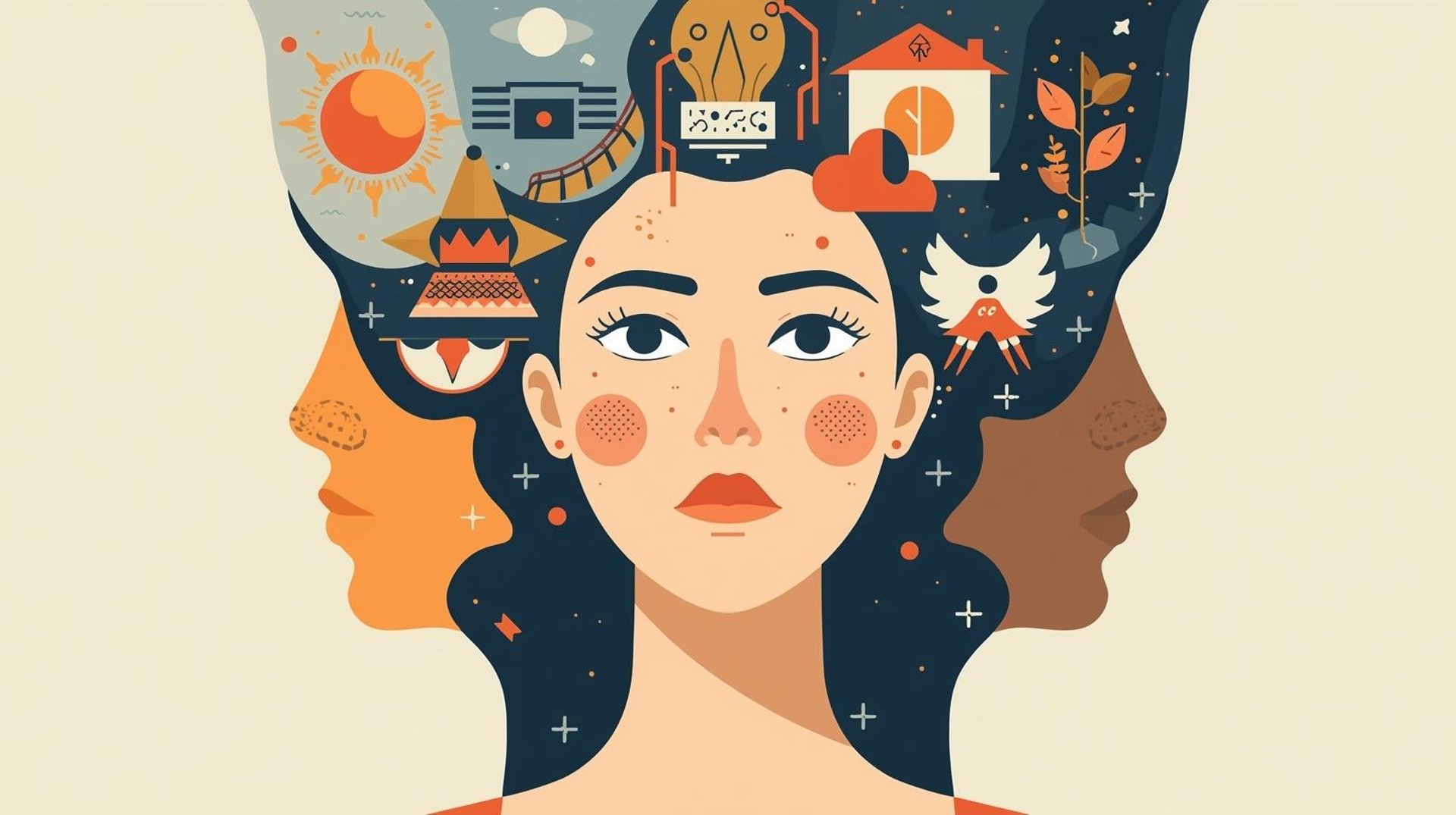
Human existence is a phenomenon in itself—complex, layered, and shaped by the countless aspects we interact with throughout our lives. Our bodies, minds, and emotional frameworks are not uniform. They are uniquely formed by experiences, relationships, memories, genetics, environment, and the meaning we attach to events. This is why people heal differently.

Why People Heal Differently: Understanding the Personal Nature of Pain and Recovery
Human existence is a phenomenon in itself—complex, layered, and shaped by the countless aspects we interact with throughout our lives. Our bodies, minds, and emotional frameworks are not uniform. They are uniquely formed by experiences, relationships, memories, genetics, environment, and the meaning we attach to events.
This is why people heal differently.
Even when two individuals face the same trauma—or entirely different ones—their responses, their coping patterns, and their healing journeys can vary dramatically. Outward behavior is only the visible fragment of a much larger internal landscape.
To understand why healing differs from person to person, we must explore how humans internalize pain, how they relate to experiences, and how significance shapes emotional wounds.
1. Every Experience Holds a Different Meaning for Each Person
People often assume trauma is measured by the size of the event. But trauma is not about the event—it is about its significance.
A small remark that seems harmless to one person can deeply wound another. A moment that appears simple or forgettable to some can become a lifelong imprint for someone else.
Why?
Because we relate to every experience through our own emotional history:
the memories we carry
the vulnerabilities we already have
the expectations we place on people
the meaning that moment held in our personal story
The same event interacts differently with two emotional systems. That interaction—how the event touches our inner world—creates the “weight” of the trauma.
2. What Happens Inside Is Different From What Shows Outside
Humans are experts at masking. People may smile, continue their routines, or behave “normally” while carrying an internal wound that quietly shapes their thoughts, reactions, and fears.
This difference between outer action and inner experience is one reason healing cannot be compared.
Two people may appear equally “fine,” yet inside one may be battling:
recurring memories
fear responses
emotional shutdown
overthinking
avoidance
physical symptoms like fatigue or heaviness
Trauma is internalized—it lives inside the nervous system. It affects the body, the mind, and even the perception of safety. This internal world determines how healing unfolds.
3. The First and Most Universal Step: Accepting That It Hurt
No matter how different healing looks for different people, there is one common ground:
healing begins with acknowledging the pain.
Accepting that:
something hurt you
something overwhelmed you
something affected your functioning
something left an internal mark
is not weakness—it is the foundation for healing.
Without this acceptance, the trauma remains unprocessed and continues to repeat itself in subtle ways, creating emotional hindrances over time.
Once a person admits, “Yes, that did affect me,” the real understanding begins. They can finally explore:
why it hurt
what it meant
what part of them it touched
what it changed inside them
And from there, healing takes its own shape.
4. Emotional Significance Shapes Healing
How we heal depends on how we relate to the experience.
When an event happens, it forms a relationship with our inner world. That relationship can be:
gentle
destabilizing
overwhelming
confusing
identity-shifting
For some, the trauma attaches itself to core beliefs (“I am not safe,” “I am not loved,” “I am not enough”).
For others, it attaches to memories, self-worth, trust, or a sense of security.
Healing, then, becomes a process of understanding that relationship—not erasing the event, but reworking how it lives inside us.
5. Science Also Shows That Individuals Respond Differently
Even in controlled experiments where conditions are identical, beings react differently to stress.
A commonly cited example is the behavior of mice in laboratory environments:
Even when placed in the same setting, given the same stimuli, and exposed to the same environment, some mice show signs of trauma while others do not. Some freeze. Some adapt. Some overreact. Some shut down.
This demonstrates something essential:
Trauma is not linear. Healing is not identical. Response is never one-size-fits-all.
Humans are even more complex than mice—carrying memories, identities, emotional layers, social meaning, and personal history. So our healing cannot be universal or predictable.
6. Healing Is a Personal, Non-Linear Journey
Healing does not follow a straight path. It moves like waves—forward, backward, sideways. People heal differently because:
their emotional thresholds are different
their relationships to the traumatic event are different
their inner stories are different
their coping mechanisms are different
their nervous systems react differently
their histories, beliefs, and personalities vary
For some, healing comes from solitude.
For others, from conversations.
Some heal through creativity.
Some through therapy.
Some through spirituality.
Some through logic.
Some through movement or physicality.
Some through time alone to process.
There is no wrong way to heal—there is only your way.
Conclusion: Healing Is Unique Because Humans Are Unique
Our bodies and minds are phenomena—interacting with the world in ways we barely understand. Every experience touches a different part of us, so every healing journey unfolds differently.
To heal, one must allow themselves to feel the truth of what hurt them, understand its significance, and honor the pace at which their inner world can process it.
Healing is not about comparison.
It is not about timelines.
It is not about strength or weakness.
Healing is simply about becoming whole again, in the way that makes sense for you.