

Why the Talking Stage Feels Like Emotional Limbo
The modern dating scene has quietly gone out of hand—not because people don’t want connection, but because they are carrying far more awareness into it than ever before. In an age where mental health conversations are everywhere, people are either deeply invested in understanding themselves, actively trying to heal, or at least attempting to function better than before. Dating no longer happens in isolation; it happens alongside therapy language, self-work, and constant introspection.


Why the Talking Stage Feels Like Emotional Limbo
The modern dating scene has quietly gone out of hand—not because people don’t want connection, but because they are carrying far more awareness into it than ever before. In an age where mental health conversations are everywhere, people are either deeply invested in understanding themselves, actively trying to heal, or at least attempting to function better than before. Dating no longer happens in isolation; it happens alongside therapy language, self-work, and constant introspection. While this awareness is valuable, it also makes every interaction heavier, slower, and more layered.
Expectations now shift rapidly. There is an almost immediate analysis of the other person’s approach to life, their actions, their emotional availability, and their worldview. We are not just asking, “Do I like this person?” but also, “Are they healed enough? Are they compatible with my future self? Do they meet the standards I’ve built to protect myself?” When clarity doesn’t arrive quickly—and feelings remain uncertain—the discomfort grows. Life, as we hear repeatedly, has its own impact and unpredictability, but that unpredictability feels especially unsettling in dating.
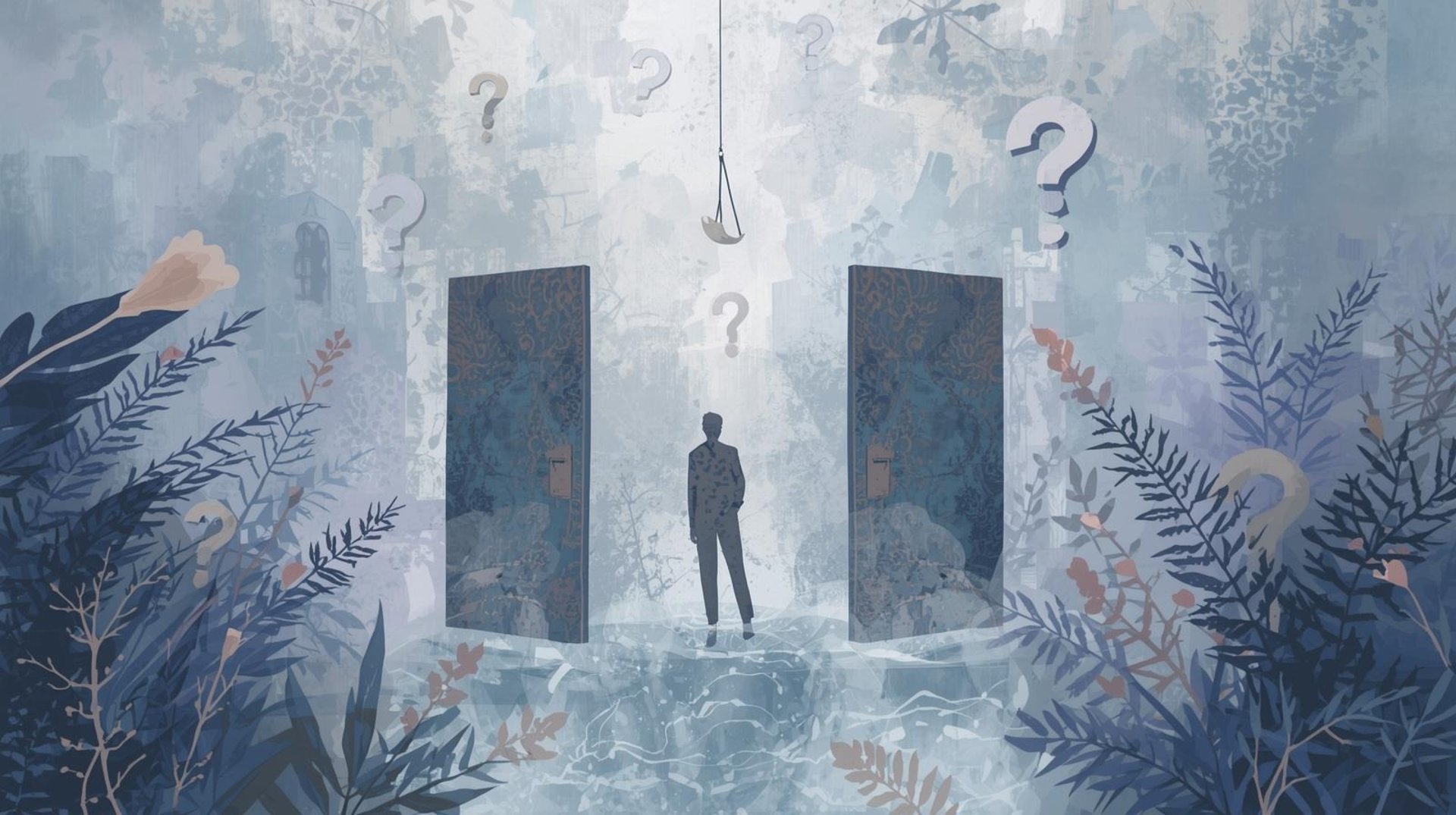
Adding to this is the collective history and gossip surrounding relationships. Stories of betrayal, ghosting, emotional unavailability, and manipulation circulate constantly. Even before something goes wrong, fear enters the room. And when nothing does go wrong—but nothing fully progresses either—keeping the conversation alive starts to feel like standing still. This is where the talking stage begins to feel like a limbo: neither here nor there, neither chosen nor released.
A crucial part of this discomfort comes from a loss of patience. We live in a time where outcomes are expected quickly, clarity is demanded early, and ambiguity feels intolerable. The talking stage feels like limbo not always because it is one, but because we want it to immediately turn into something perfect—or at least something that meets the standards we’ve carefully constructed. Over time, many of us realize that the version of connection we’ve standardized for ourselves doesn’t always exist in reality. And accepting that creates grief.
While processing this quiet grief—of unmet expectations, of ideals softening—we continue to meet people. We go on dates, have conversations, try to understand the other person while also trying to understand ourselves. But nothing goes as planned, because life is life. That phrase, meant to offer comfort, has paradoxically made dating more difficult over the years. It acknowledges chaos but offers no structure, leaving people suspended between acceptance and longing.
Self-discovery, which is often framed as empowering, also complicates connection. When people are discovering themselves every day, identities remain fluid, needs keep changing, and commitments feel premature. This constant evolution can create friction in the physical world, where relationships still require presence, patience, and mutual grounding. We are connected whether we like it or not—but we are also individually becoming, and those two processes don’t always move at the same pace.
The talking stage feels like emotional limbo because it sits at the intersection of self-awareness, fear, expectation, and impatience. It is not empty—but it is undefined. And in a world that demands clarity, definition, and quick answers, undefined spaces feel harder to stand in than ever before.